Toilet Installation in Bray Park
Fitting a new toilet suite is what toilet installation in Bray Park usually involves. Housing here runs from the 1960s through to the 2000s, and the earlier waves predate water ratings altogether, so single-flush cisterns still hold on in plenty of bathrooms. Every job is done by a licensed plumber, and a fixed quote lands before work starts.
If we're late, $100 comes off your bill

- Licensed and InsuredEvery job done by a licensed plumber. QBCC No: 15024607
- Fixed Quote FirstFlat-rate pricing, agreed before any work starts
- Lifetime Labour WarrantyBacked by our Fix-It-or-It's-Free guarantee (T&Cs apply)
- $0 Call-Out FeesNo extra charge for nights, weekends or public holidays
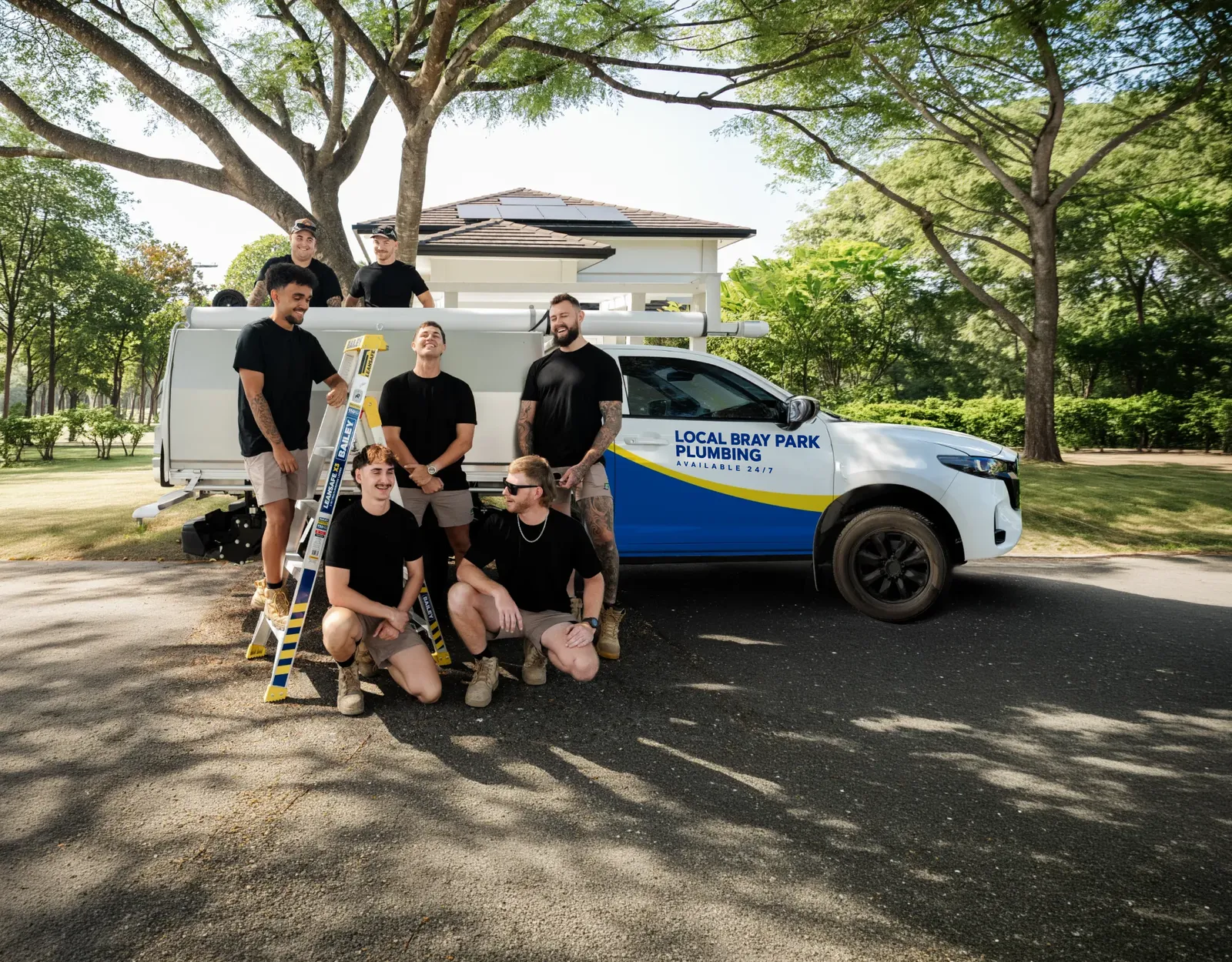
Most homes on the flat creek terrace are detached brick houses, so the typical job is a straight swap rather than a new position. For a loo that leaks or runs, our toilet repairs page is the right start. We also handle tap and toilet jobs across the house, from Bray Park out to the suburbs either side.
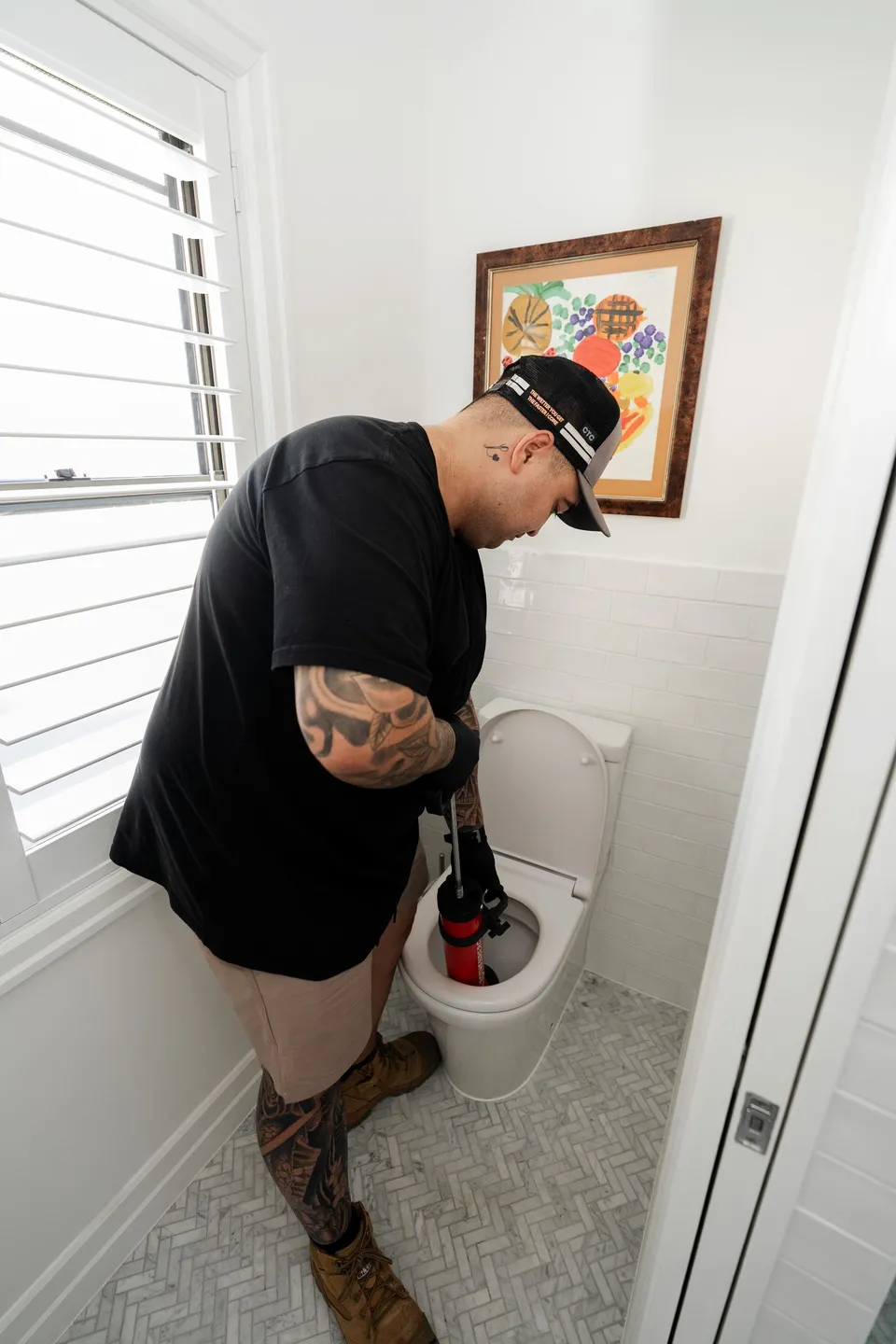
Choosing a Replacement Toilet Suite
Three builds dominate the market, split by where the cistern sits and how the pan mounts.
Close-coupled
the cistern bolts straight onto the pan, and the pair works as one unit.
Back-to-wall
the pan presses flat to the wall, hiding the pipework behind it.
Wall-hung
the pan hangs off a frame built into the wall, with the cistern tucked away behind a flush plate.
Each build suits a different bathroom. A close-coupled suite is the common pick for a straight swap because it fits most existing positions. A back-to-wall pan reads neater in a small room.
A cistern-only swap works when the new cistern lines up with the old pan's mounting holes and pipe connections. When it doesn't, both pieces go together.

Dual Flush, WELS Stars and Rental Limits
A dual flush toilet offers two buttons: a small half flush and a big full flush. Every toilet and cistern fitted in Australia carries two marks first, and neither is optional.
One is WaterMark certification, the product compliance mark. The other is Water Efficiency Labelling and Standards (WELS) registration, the national scheme that grades water use in stars.
Queensland's sustainable housing rules ask for a minimum 4-star dual flush toilet in new houses, townhouses and sole-occupancy units. Business Queensland notes the rule stops at renovations, so an older home being refreshed has no star minimum to hit.
Rentals answer to a different test, and with a median weekly rent of $390 at the last census, plenty of locals deal with it. Before the full water account can go to the tenant, the loo has to be dual flush. The caps: 6.5 litres on a full flush, 3.5 on a half, and a 4-litre average.
That average spreads one full flush across four half flushes, a limit many people miss. It's the detail that catches out older single-flush cisterns being converted for tenancies.
Pan Outlets and Toilet Set-Out Explained
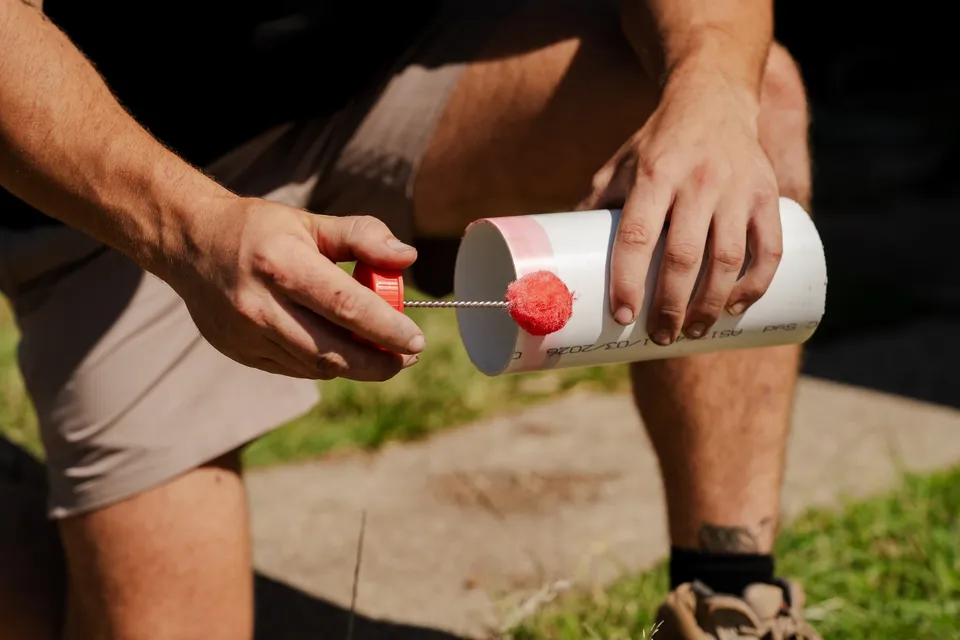
Set-out is the measured spot where the pan's waste outlet lands, through the floor or into the wall. A new pan connects without pipe changes when its outlet meets that mark.
The two outlet types decide what fits. With an S-trap, waste drops through the floor, the common setup on slab homes here. A P-trap pushes waste out through the wall instead, which shows up more in older homes on raised floors.
A miss on the set-out leaves two fixes: alter the waste pipe, or pick a pan whose outlet matches. Changing sanitary plumbing in an existing building is notifiable work in its own right.

Like for Like or a New Toilet Position
Five things drive the price: the suite type, the set-out match, whether the loo stays where it is, access, and the Form 4 fee for a new or moved toilet. No dollar figure survives a guess, so the fixed quote settles it after we've seen the job.
A straight swap keeps the labour down because the connections already exist. Moving the loo adds waste alterations and a fresh set-out, and that tips the work into the notifiable category. Renovating the whole room? Our bathroom renovation plumbing guide runs the full sequence.
The suburb's median age was 37 at the last census. Older knees often prefer a comfort-height model, standing a touch taller than a standard bowl, and the choice changes the suite, not the plumbing. The same visit can handle a tap replacement elsewhere in the house.
Toilet Installation and the Form 4
Fitting a toilet is licensed work in Queensland, so the whole job stays with a licence holder. Putting a new or relocated loo into an existing building is notifiable work. Council sign-off isn't part of it; the paperwork, a Form 4, goes to the QBCC inside 10 business days of finishing.
A straight replacement of an existing loo falls under minor work: a QBCC licensee handles it, and no Form 4 goes in. Changing the waste pipe is notifiable work too.
The QBCC keeps an eye on Form 4 lodgement and treats a missing form as an offence. The licence holder lodges the form and covers its fee, then can on-charge that cost, plus admin, to you. If you're unsure where your job sits, the QBCC's online questionnaire for notifiable work settles it.
A shared drain with another lot, or a second water supply line for recycled water, turns the job into permit work. Council gets the application before we start.
How We Handle the Job
- 1

Get in touch
Call (07) 3524 7163 or send a quick message about the job in Bray Park, and we'll ask what we need to know.
- 2

We measure and match the suite
On the visit we measure the set-out and confirm the outlet type. We check the supply stop tap and talk through pan styles and flush ratings, so the suite you pick fits what's in the floor.
- 3
Sign off the quote
You'll see a fixed quote before any work starts, with flat-rate pricing and no hidden fees. The job starts when you're happy with it.
- 4

Pay once it's done
Pay by card or EFTPOS on site after the work's finished, or choose Fix now, pay later.
Plumbing job in Bray Park?
$0 call-out fees, available 24/7, and same-day where we can.
Toilet Installation Questions From Bray Park
Call (07) 3524 7163Can I install a toilet myself in Bray Park?
No, fitting a toilet is licensed plumbing work in Queensland. A home owner may only touch three cistern parts the QBCC lists as unregulated: a drop valve washer, a float valve washer or a suction cup rubber. The plumbing standard still applies to those.
What flush volumes does a rental toilet need?
A rental toilet needs a dual flush capped at 6.5 litres full, 3.5 litres half and a 4-litre average. The average spreads one full flush across four half flushes. Those caps are the water-charging test a landlord has to pass first.
Does a landlord have to replace an old rental toilet?
No, the flush caps are a charging test, not a replacement order. Where the rental fails it, the owner or manager pays a reasonable share of the water bill. The tenant only pays the excess where the property has its own meter and the agreement says so.
What is the difference between an S-trap and a P-trap toilet?
An S-trap drops waste through the floor, and a P-trap pushes it out through the wall instead. The outlet already in your home decides which type fits, so we check that before recommending any suite.
Can a toilet in Bray Park be replaced without moving the pipes?
Yes, when the new pan's outlet meets the existing waste at the set-out. If it misses, we alter the waste pipe or pick a pan with a matching outlet. Changing sanitary plumbing counts as notifiable work, so the paperwork goes in with the job.

Call Us About the New SuiteWe'll call you back.
Ring (07) 3524 7163 and tell us what's wrong. You get $0 call-out fees, a fixed quote before any work starts and same-day where we can, 7 days a week.
To claim your $0 call-out fee, call (07) 3524 7163 today.