Why Your Toilet Keeps Running
When a toilet keeps running, one of three cistern faults is behind it: an inlet valve that refuses to close, a leaking seal on the flush valve, or water escaping through the overflow. The fix is usually small, and you can narrow down the cause yourself before anyone opens the lid.
If we're late, $100 comes off your bill

- Licensed and InsuredEvery job done by a licensed plumber. QBCC No: 15024607
- Fixed Quote FirstFlat-rate pricing, agreed before any work starts
- Lifetime Labour WarrantyBacked by our Fix-It-or-It's-Free guarantee (T&Cs apply)
- $0 Call-Out FeesNo extra charge for nights, weekends or public holidays
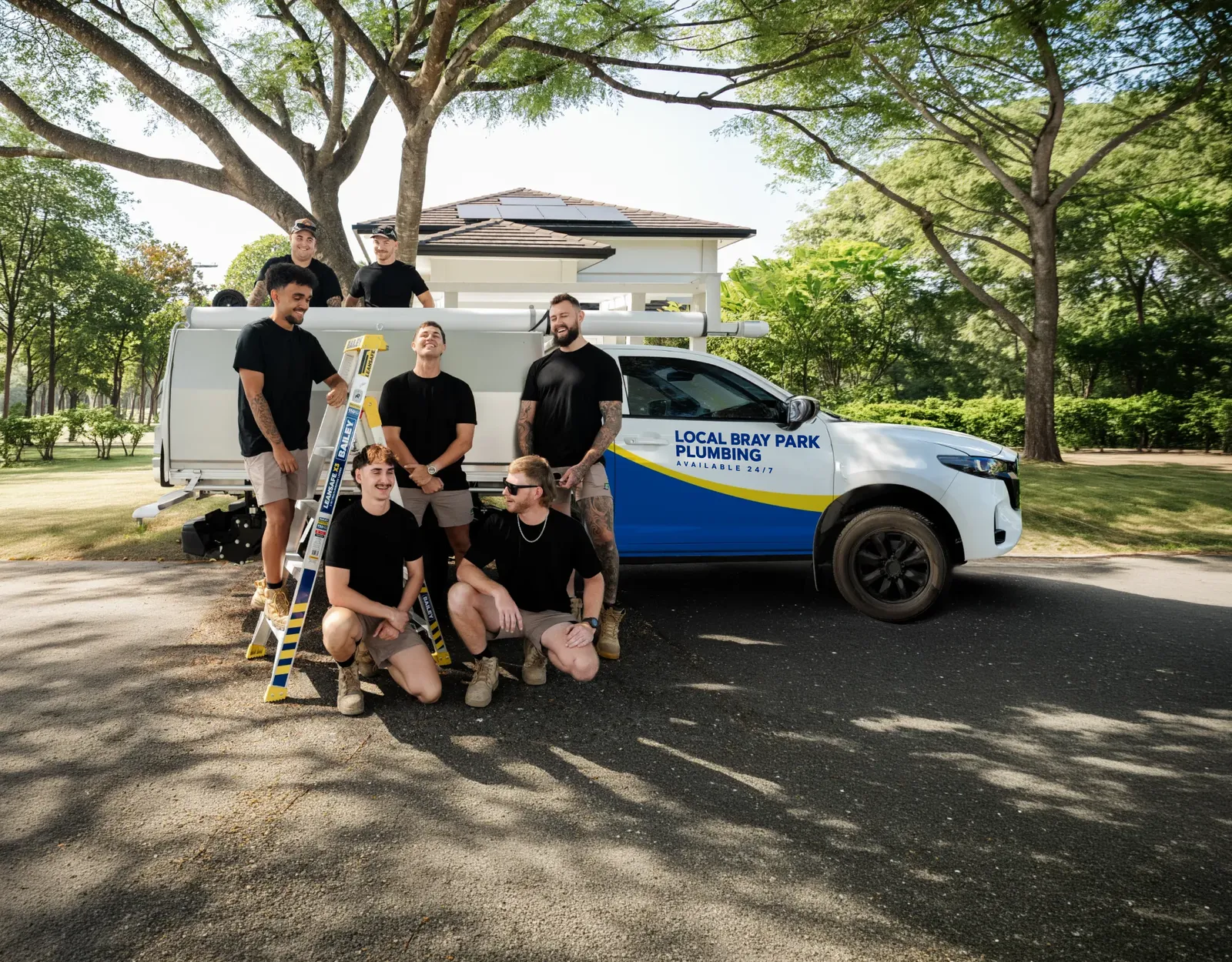
Housing in Bray Park spans the 1960s through to the 2000s, so cisterns of many vintages sit side by side in one street. Local Bray Park Plumbing names the causes below, the checks you can run yourself, and where the law draws the line on home owner repairs. Every job we take is done by a licensed plumber.
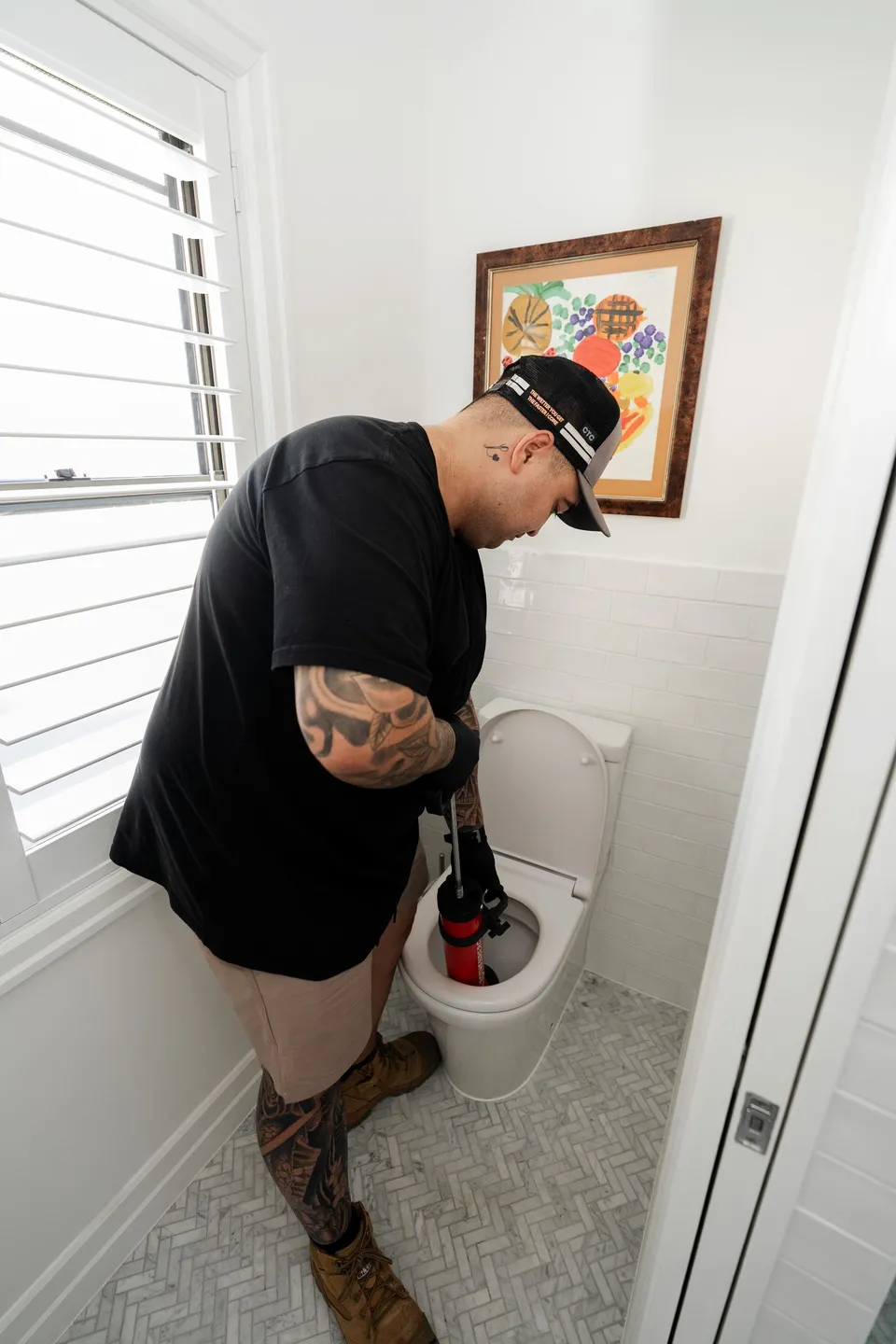
The Three Causes of a Running Toilet
The three causes are an inlet valve that stays open, a flush valve seal that leaks water past it, and a water level above the overflow. Each one has its own giveaway:
Inlet valve
after a flush, the inlet valve fills the cistern again and stops when the float reaches its level. A hiss or trickle carrying on past the refill points at this valve.
Flush valve
the flush valve, known in the trade as the outlet valve, keeps water in the cistern between flushes. When its seal wears, water slips past into the bowl, and the inlet valve keeps refilling what was lost.
Overflow
the overflow acts as a safety drain for excess water. An overflow pipe dripping outdoors means the cistern fills past its set level, so the inlet valve or the float needs attention.
At the last census, Bray Park counted 3,496 dwellings, and 96.8 per cent were separate houses. Most homes here hold two or three cisterns of mixed ages, and the older a cistern gets, the likelier one of those three parts is worn.

Water Runs but the Cistern Stays Low
A cistern that barely fills usually comes down to a stop tap not fully open, a float adjusted too low, or an inlet valve that is worn or blocked. Work through those in order and one of them is nearly always the answer.
There is a twist worth knowing. If water runs and the cistern never climbs, the diagnosis flips: the flush valve seal lets water out as quickly as it arrives. The toilet sounds busy while the bowl never gets a proper flush.
Census figures put households here at 2.8 people on average, so a weak flush gets noticed fast on school mornings. That is usually when we hear about it.
What Colour in the Bowl Tells You
Run the test this way: add a little food colouring to the cistern, don't flush, and wait. Colour showing up in the bowl means water is escaping the cistern into the pan, which points at the flush valve seal.
A few details make the test safe and readable:
- Flush afterwards, because the colouring leaves no trace on ceramic.
- If the bowl stays clear, the flush valve is sound, so check the inlet valve and water level next.
- No food colouring at home? Press a dry piece of toilet paper against the rear inside wall of the bowl, higher than the water. The paper stays dry unless water is trickling down the rear of the bowl.
Where Home Owner Toilet Repairs Stop
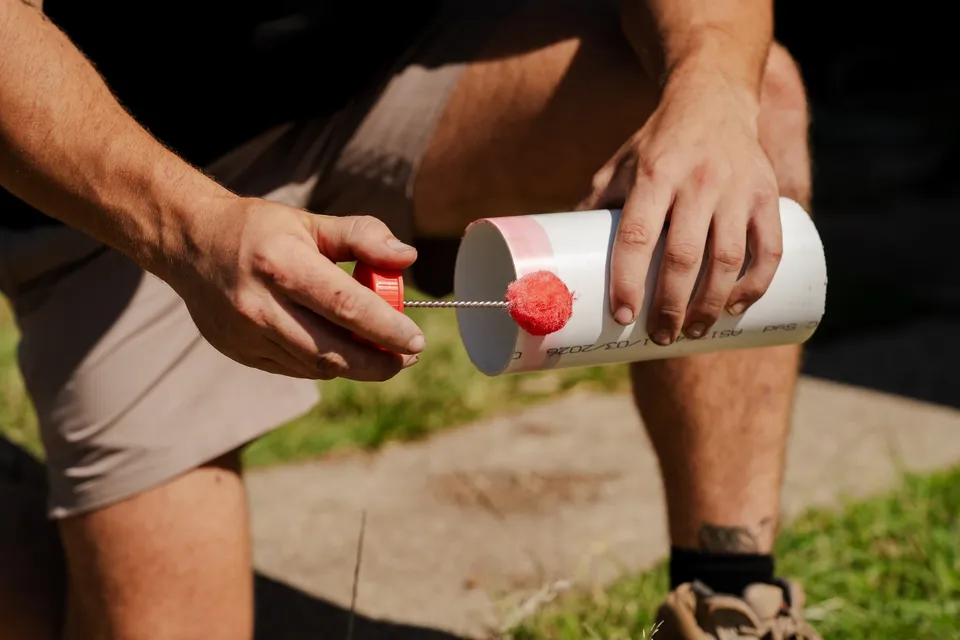
The QBCC's unregulated work list includes three cistern parts: a drop valve washer, a float valve washer, plus the suction cup rubber. Someone who has the knowledge and skill for the task may repair or replace them, and none of those jobs needs a licence, approval or paperwork to the QBCC.
Whatever you do still has to comply with the standards in the legislation and codes. Anything beyond those three parts is minor work, done by a QBCC licensee without a permit or a Form 4. The licensed work covers inlet valves, flush assemblies, buttons and cistern swaps.
Rentals follow the tenancy Act instead. Queensland's tenancy law puts the owner or agent in charge of keeping the place in good repair, and the tenant reports faults as soon as they notice.
What a Running Cistern Does to Your Water Bill
No, the adjustment Unitywater offers for concealed leaks leaves out water a leaking cistern wastes. The adjustment exists for leaks hidden underground or inside walls, not for fixtures that wear out in plain sight.
Leaks on the property side fall to the property owner, and so does the water they lose. A cistern that quietly runs between flushes can push a quarterly bill well past its usual mark. The water a running cistern wastes costs more than the repair that stops it.
When to Call a Plumber
Call a licensed plumber once the dye test shows colour in the bowl, or when the three unregulated parts are not the answer. A toilet that keeps running after those checks needs a licence holder. Constant hissing, a cistern refilling itself every few minutes, or water dripping off the overflow pipe outside all point the same way.
Our toilet repairs page runs through the rest, from seals and valves to leaks around the base. We cover Bray Park and the suburbs around it for those jobs.
Running Toilet Questions From Bray Park
Call (07) 3524 7163Why is my toilet cistern not filling up?
A cistern that won't fill usually means a float sitting too low, a stop tap that isn't fully open, or an inlet valve with wear or a blockage. If water runs but the level never rises, the flush valve seal drains the cistern faster than the supply fills it. A licensed plumber pinpoints which one it is.
Which toilet cistern parts can a home owner replace?
The QBCC's unregulated list names three cistern parts: the drop valve washer, the float valve washer and the suction cup rubber. Anyone with the knowledge and skill may swap them, though the finished job still has to meet the standards. Every other toilet repair belongs to a licensed plumber.
Will Unitywater cover a running toilet in Bray Park?
No, a running cistern doesn't qualify for Unitywater's concealed leak adjustment. The owner carries the loss on the property side, so the wasted water lands on the owner's bill.
Who fixes a running toilet in a Bray Park rental?
Under the tenancy Act, the owner or agent must keep the premises in good repair, and the tenant reports the problem straight away. A running cistern isn't on the emergency list, so the repair is routine and the Act allows a reasonable time for it. A blocked or malfunctioning toilet is an emergency.

Talk to Us About the Running CisternWe'll call you back.
Ring (07) 3524 7163 and tell us what's wrong. You get $0 call-out fees, a fixed quote before any work starts and same-day where we can, 7 days a week.
To claim your $0 call-out fee, call (07) 3524 7163 today.